Experts in Septic Systems & Wastewater

We design, install, service and repair septic systems.

20yrs

In the industry for 20 years

25+

Loyal and experienced team members

3000+

Systems installed

4000+

Happy Customers

About Us

Why choose us

We’re passionate about wastewater, so you don’t have to be. 
We like nothing better than designing, installing, servicing, repairing and maintaining residential and commercial septic systems. We’ll take care of the council and EPA permits and licenses and we’ll keep your systems running smoothly and compliant for their full life cycle. 

24/7 Professional Support

We are here for you, 365 days of the year.

Latest Technology

We cherry pick the best technology from the industry and the highest quality materials to deliver longevity and reliability for your system.

Experienced Team

Our team is highly trained and equally as passionate.

Resources

Which type of system is the right one for you?

There are two main types of septic systems. Learn about the pros and cons of both to determine which one is right for you…and why that in most situations, you won’t have a choice!  
Residential

Septic Tanks

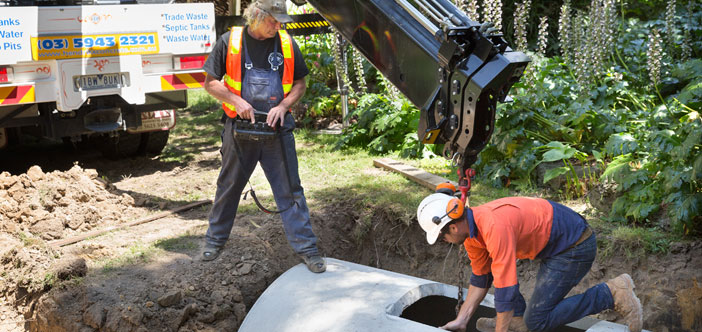
Septic tanks are a cost effective septic solution for residential waste water treatment. With low maintenance requirements and often no need for pumps, they’re ideal for remote and rural households. However, the quality of the final liquid waste is poor. Generally you will only be allowed to install one of these if your land is greater than 2.5 acres and is without dams or nearby waterways.


Quality of Effluent=Higher Risk

Not suitable for properties under 8,000m2

Effluent cannot be reused to water your grass and gardens.

Less ongoing maintenance
Learn more
Commercial
Residential

Aerated Wastewater Treatment Systems

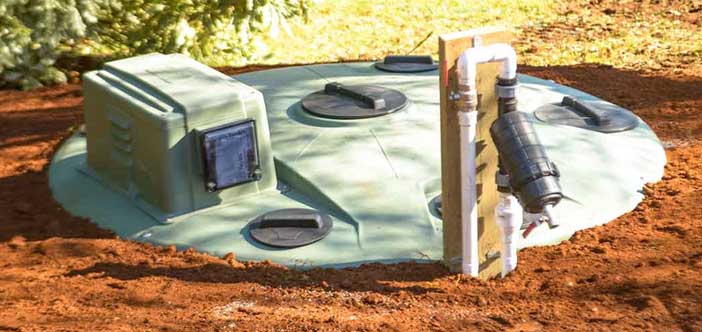
AWTS is used for the treatment of wastewater through various treatment ‘chambers’ which are attached to an irrigation system. The wastewater is treated by bacteria in the presence of oxygen. Oxygen increases bacterial activity and the bacteria break down the nutrients in the effluent. The water is disinfected to further reduce the pathogen levels and used for irrigation.


Quality of effluent is excellent

Suitable for properties with tight access

Suitable for sites with rock or high-water table/

Effluent can be used to water your grass and gardens

More ongoing maintenance

Learn more

Projects

Dedicated to turning complex challenges into solid solutions

Switch between our Residential and Commercial Projects
Commercial

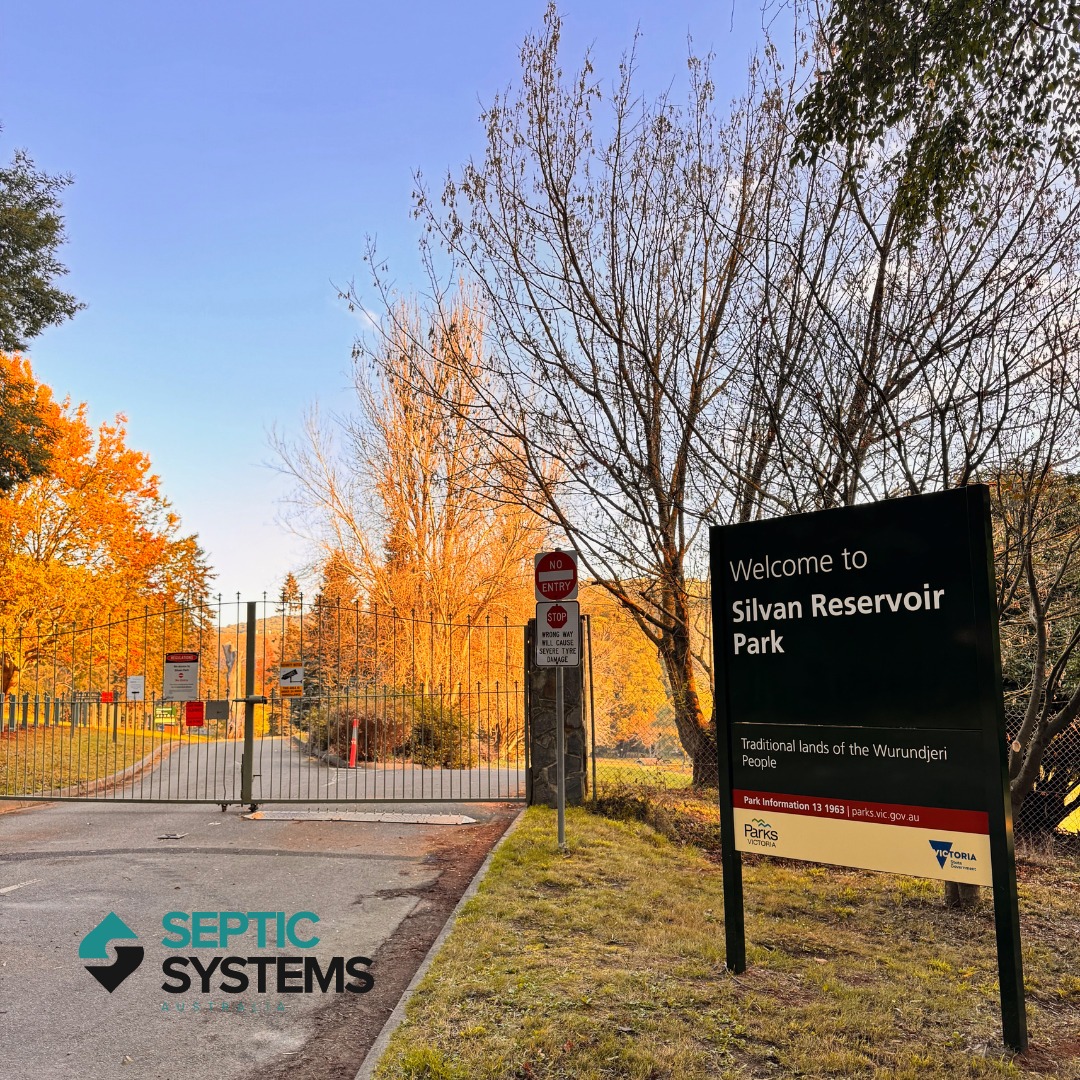
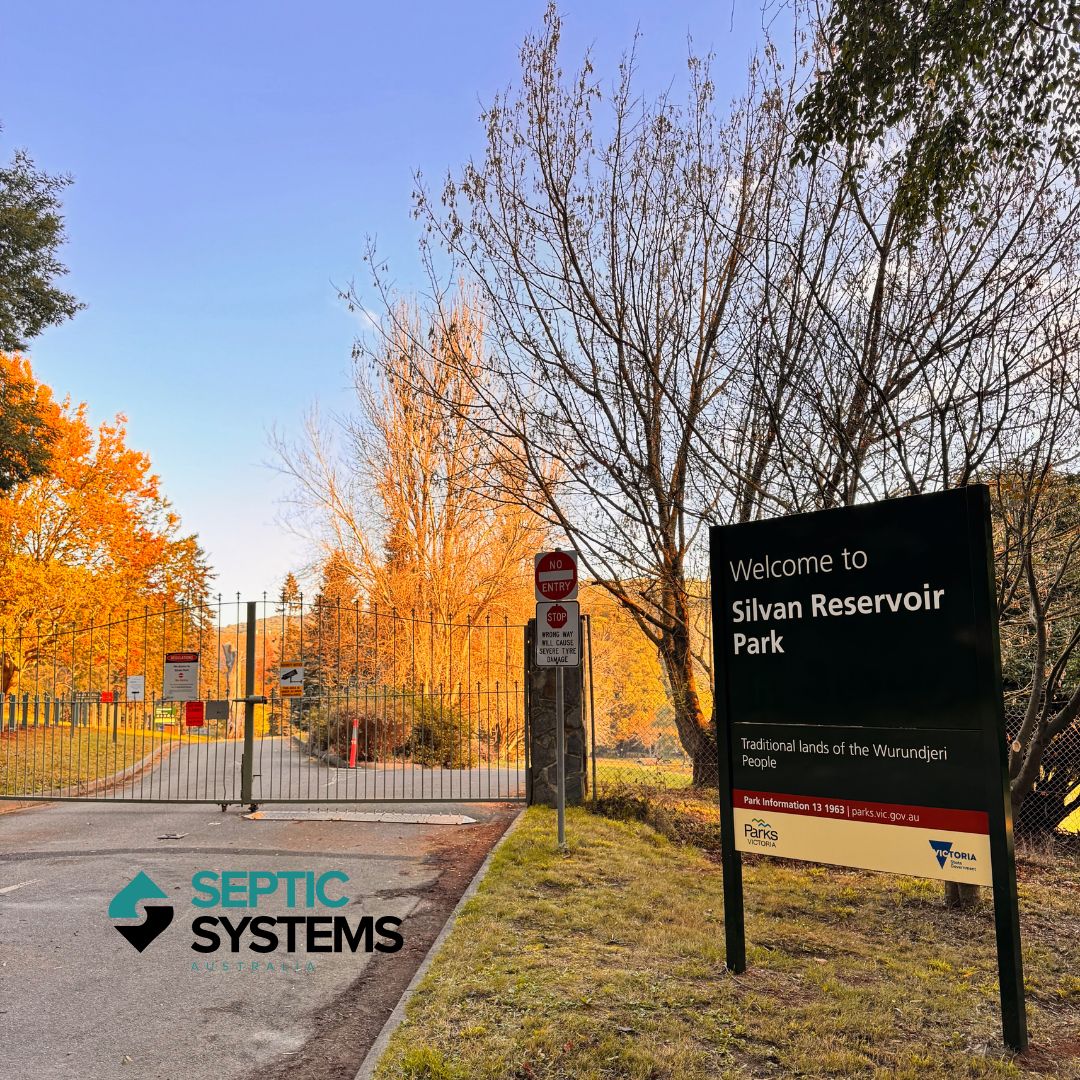
Silvan Reservoir Park (Before & After photos)

SSA was engaged to do the design and installation of the commercial wastewater treatment system for the popular picnic destination at Silvan Reservoir Park

Commercial

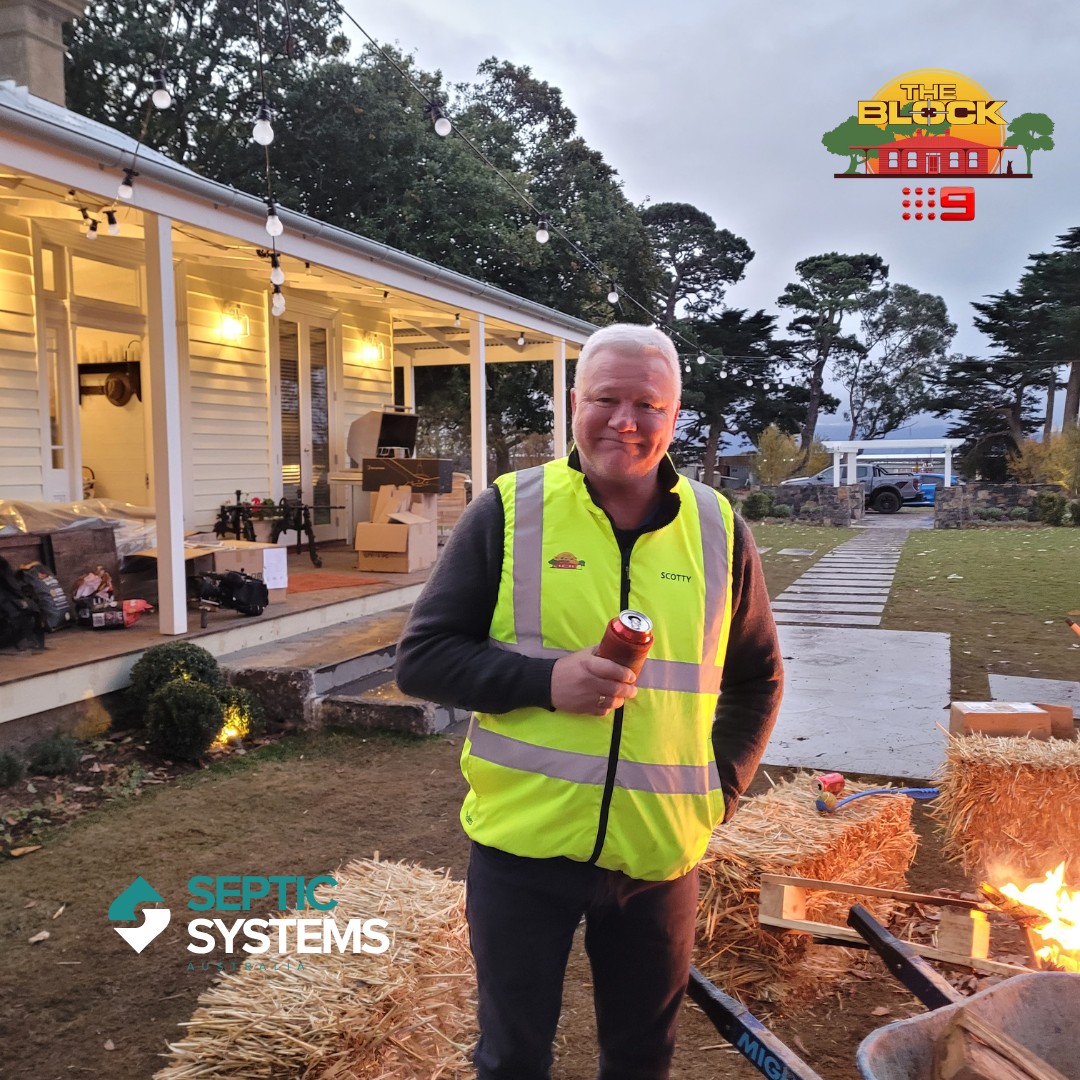
Commercial Installation, The Block’s Gisborne Project

SSA installed a state-of-the-art Taylex aerated wastewater treatment system and subsurface irrigation for each of the five beautiful properties built on The Block’s site in Gisborne,…

Commercial

Commercial Installation, Shree Swaminarayan Temple

SSA has just completed a commercial septic system installation for the Shree Swaminarayan Temple in Truganina.

Commercial
Education

Commercial Installation, MacKillop College

SSA has just designed and installed a wastewater solution for MacKillop College VIC.

Commercial
Restaurants / Cafes

Commercial Installation, Melbourne Chin Church

SSA has just completed a commercial septic system installation for the Melbourne Chin Church in Deanside VIC.

Commercial
Restaurants / Cafes

Commercial Installation, Gallery 7 Six 5, Watsons Creek

SSA has just completed a commercial septic system installation in Watsons Creek VIC.

Commercial
Wineries

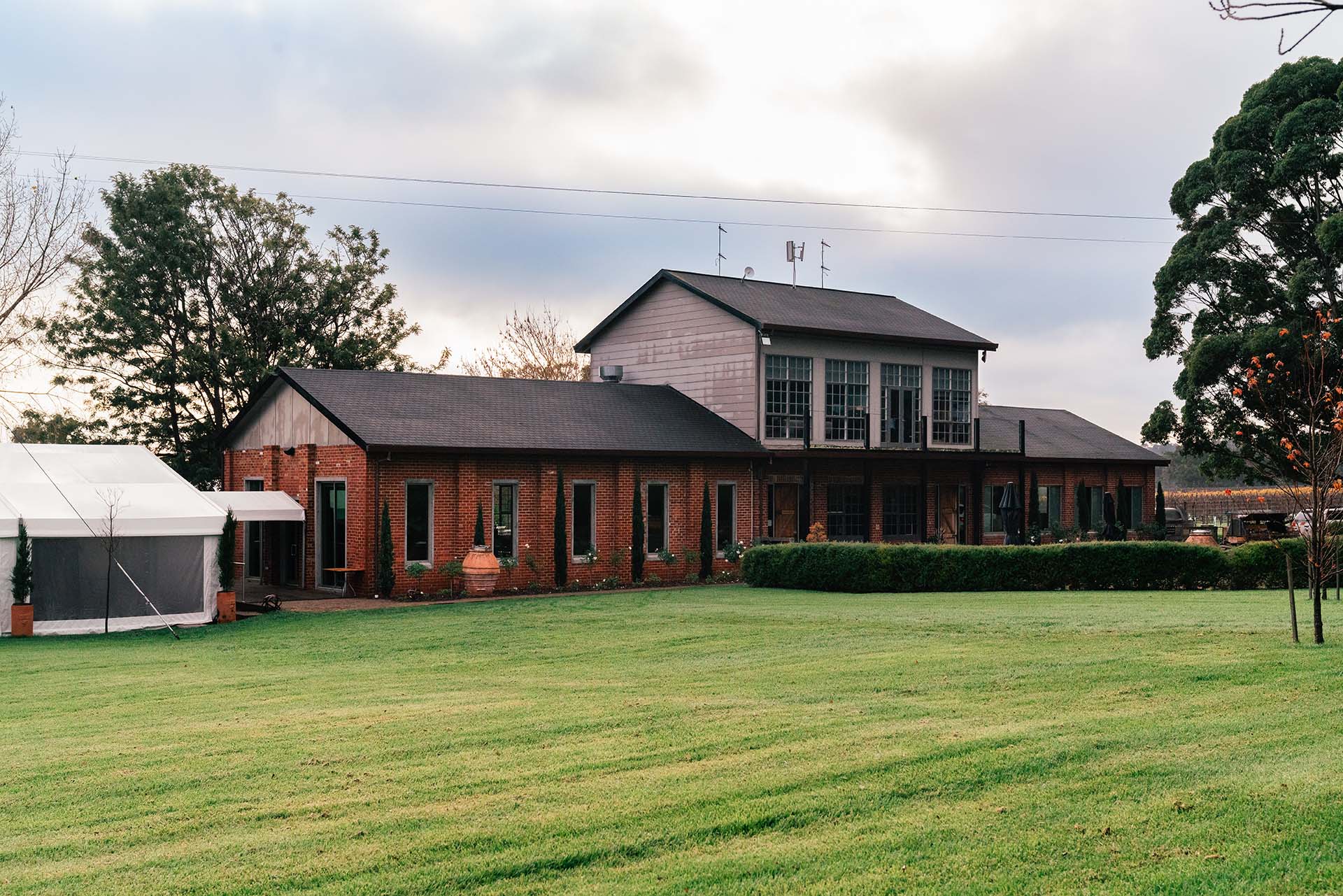
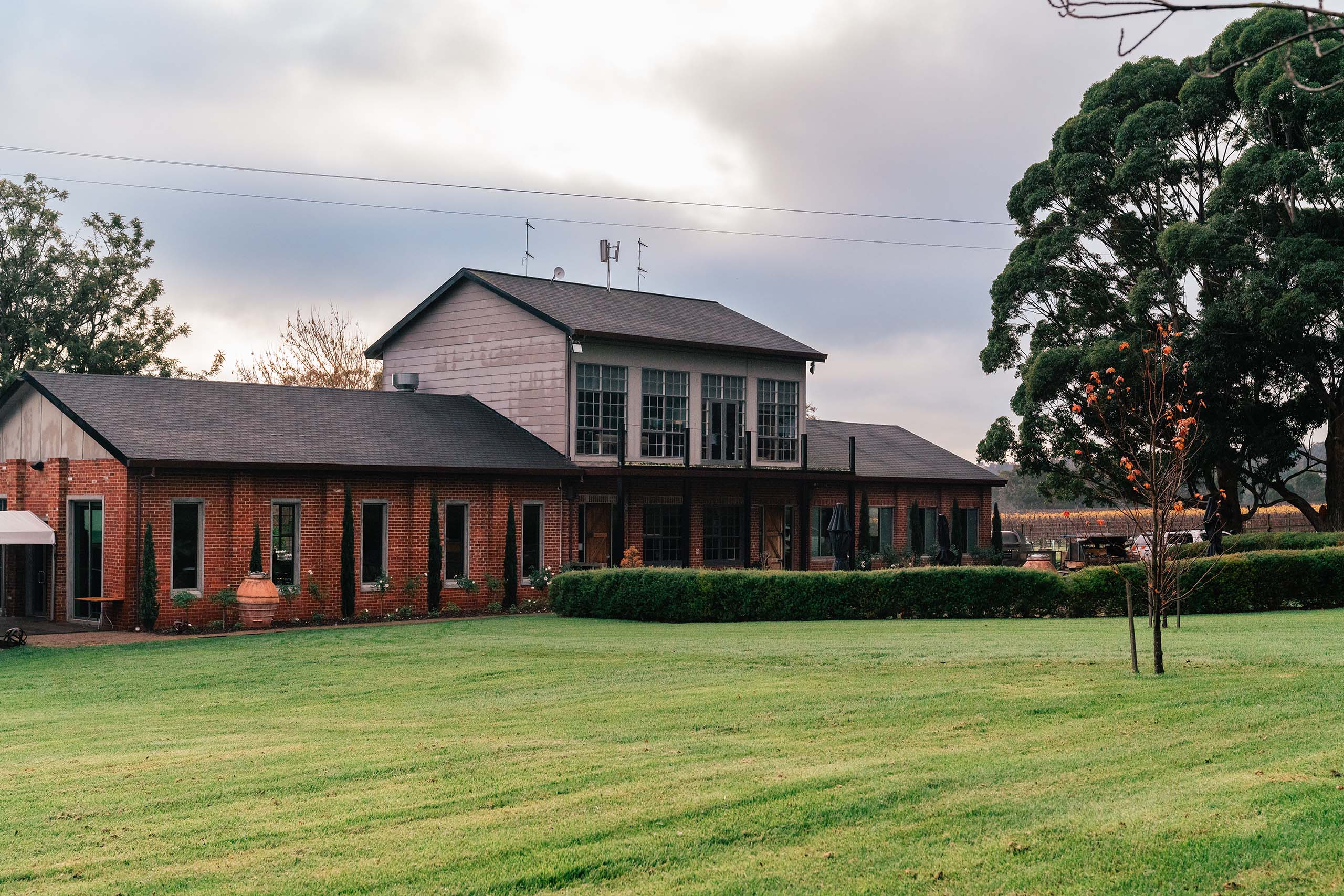
Commercial Installation, TarraWarra Estate

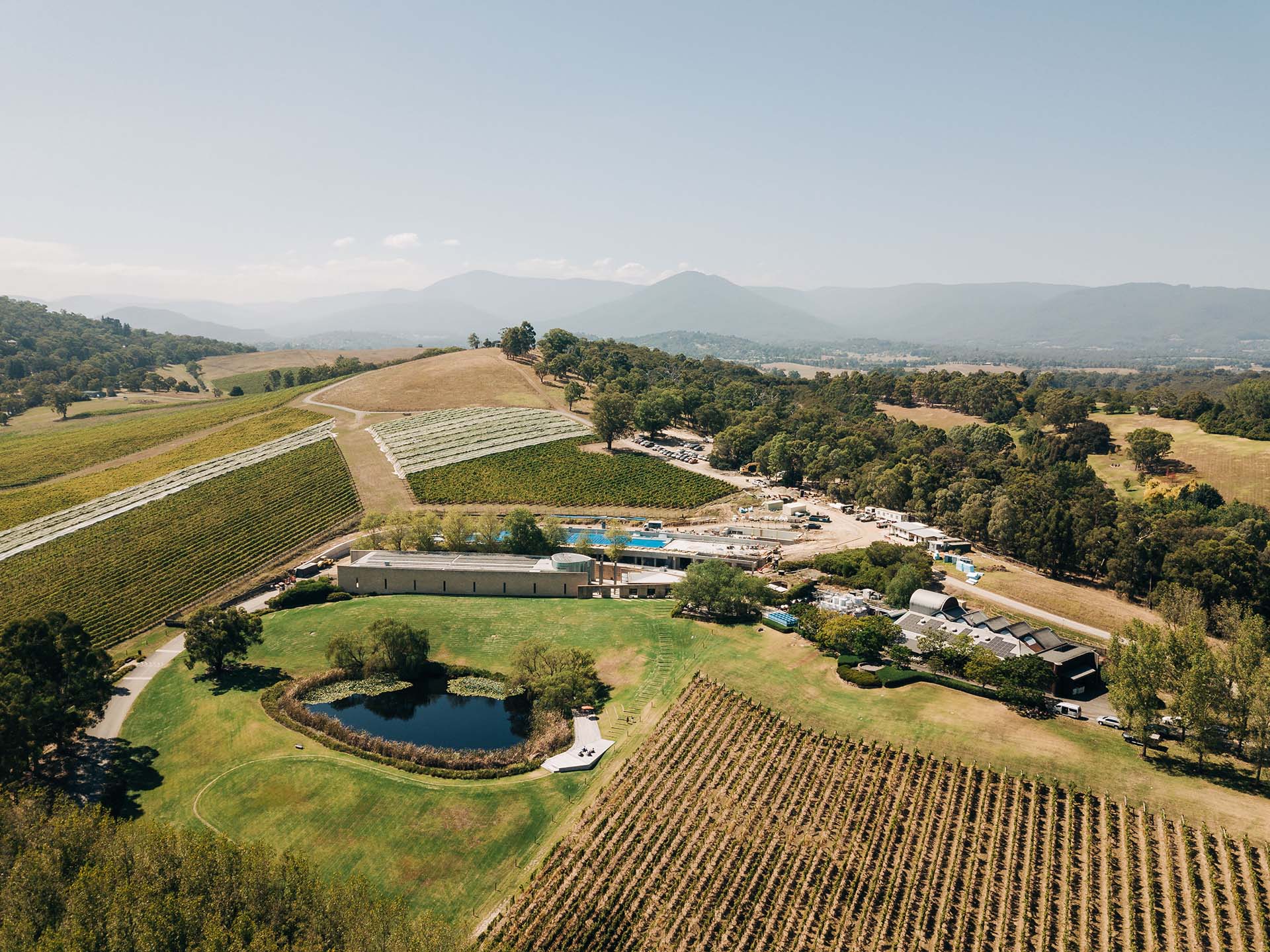
SSA was engaged to design, obtain approvals for and construct a new wastewater treatment system to treat the wastewater from all buildings onsite, including the restaurant,…

Commercial
Wineries

Commercial Installation, Trofeo Estate

SSA was approached to review the existing material and data and to quote on the design and installation of an upgraded wastewater treatment system to rectify…

Commercial

Commercial Installation, Barragunda Estate

SSA has just completed another successful design and installation of a commercial wastewater treatment system at Barragunda Estate in Cape Schanck.

Commercial
Wineries

Commercial Installation, Trofeo Estate Winery

SSA has just completed a commercial septic system installation in Watsons Creek VIC.

Commercial
Sporting Clubs

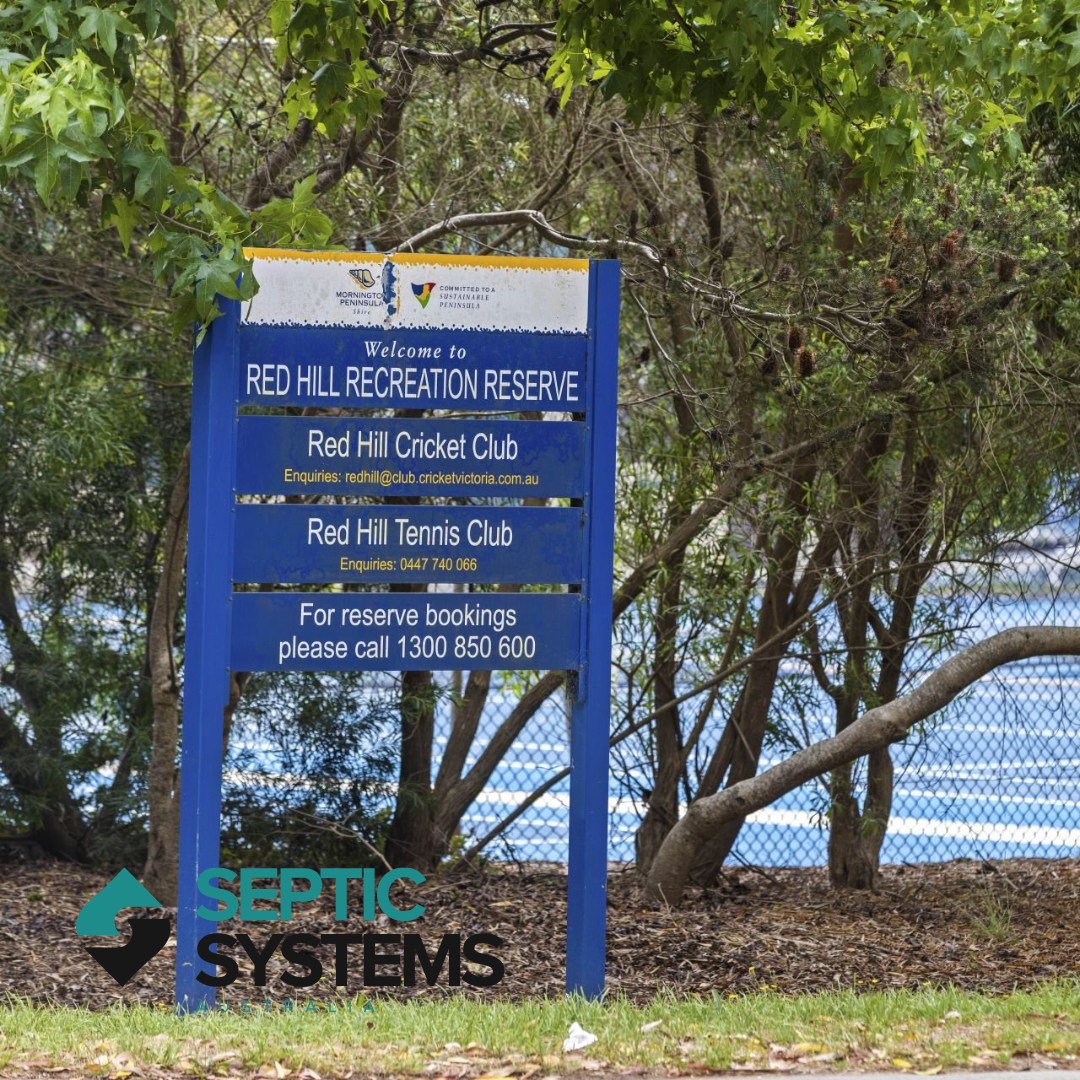
Commercial Installation, Red Hill Recreation Reserve

SSA was engaged to do the design and installation of the commercial wastewater treatment system for Red Hill Recreation Reserve.

Commercial

Commercial Installation, Silvan Reservoir Park

SSA was engaged to do the design and installation of the commercial wastewater treatment system for the popular picnic destination at Silvan Reservoir Park.

Commercial
Wineries

Commercial Installation, Helen & Joey Estate

SSA designed and constructed a new 10,000 litre per day wastewater treatment plant, with a wet weather storage dam and Subsurface irrigation.

TraralgonSouthPS1
Commercial
Education

Commercial Installation, Traralgon South Primary School

SSA worked with architects on behalf of the Department of Education to replace the existing the septic system and future-proof the school for growth for the…

Residential

Residential Installation, Red Hill

SSA was called in to inspect an old conventional septic system that was failing. The absorption trenches were blocked and raw effluent was pooling on the…

Commercial
Sporting Clubs

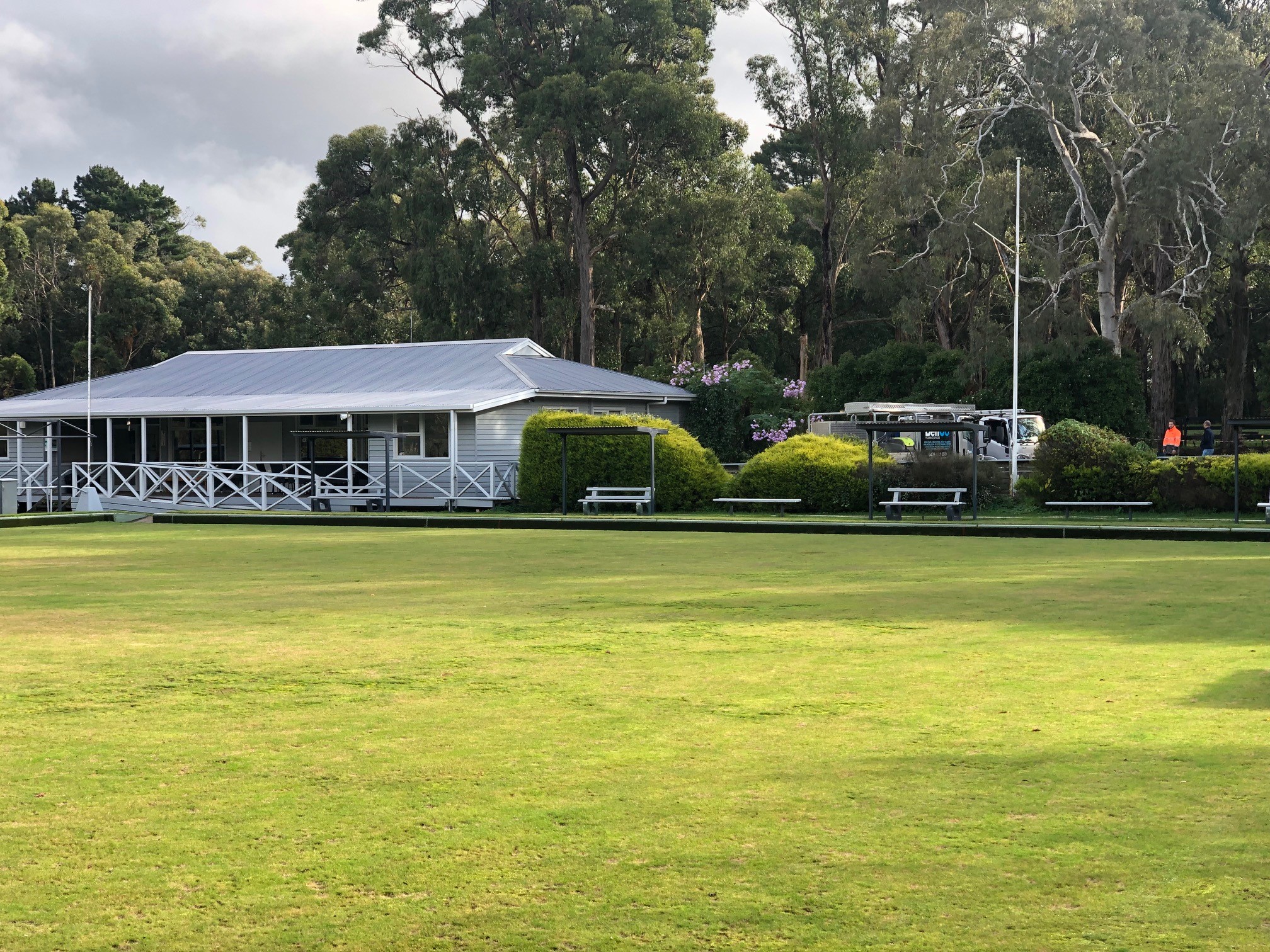
Commercial Installation, Main Ridge Bowls and Petanque Club

The existing septic system for the Club was old and had done its job for the past few decades. SSA was called in to design and…

Commercial
Education

Commercial Installation, Melton Christian College

SSA was engaged to design and install a commercial wastewater treatment system for a new Secondary school in Melton for students and staff. SSA worked with…

Residential

Residential Installation, Emerald

SSA’s service and maintenance team was initially engaged to investigate the condition and advise on possible repair of a septic system in a residence in Emerald.

Residential

Residential Installation, Langwarrin

SSA’s client had only recently moved into their new house to discover that their existing septic was failing split the grey and black water into separate…

View all projects

FAQs

How can we help you?

I'm buying a house, can you provide me with a Condition Report for the existing septic system?

Yes, SSA specialises in inspecting existing septics and providing Condition Reports. We assess the system’s age, type, condition, and compliance status. You’ll receive a written report covering any defects, expected maintenance costs, and whether upgrades or replacement may be needed. This is essential information before buying a rural or semi-rural property.

Our Condition Report covers:

  • Type of septic system installed on the property
  • System condition including tanks, lids, baffles, pumps, and disposal areas
  • Compliance (or non-compliance) to local council and EPA regulations
  • Upgrade recommendations, if required
  • System maintenance requirements

Many buyers underestimate the importance of this inspection, yet septic system issues can result in tens of thousands of dollars in unexpected costs after settlement.

It is helpful for us to know prior to the inspection whether the lids are exposed, or buried, as we may need to allow some extra time onsite to dig up and unearth the lid. SSA can also install lid extensions so you don’t have to dig up the tank every time it needs pumping out.

Can you replace or upgrade my old septic system?

Yes, SSA assesses existing septic systems and provides advice on repairs, upgrades, or full replacements. Many older Victorian properties have septic systems installed decades ago under different regulations, which are no longer compliant to modern standards. Common issues include:

  • Cracked or deteriorating concrete tanks
  • Failed absorption trenches
  • Undersized capacity for current household usage
  • Outdated treatment technology that doesn’t meet current EPA standards

For some properties, targeted repairs can extend the system’s useful life—replacing damaged components, repairing trenches and effluent fields, or upgrading pumps and diffusers.

However, many older properties benefit from converting to AWTS for better treatment, smaller footprint, and water reuse options. Upgrading to an AWTS also offers significant benefits:

  • Mitigates health and environmental risks around exposure to poor quality effluent in backyards
  • Properties with large absorption areas may reclaim that land once AWTS provides higher-quality effluent for surface irrigation
  • Properties with high water tables or poor soil drainage may require AWTS to meet compliance standards
  • AWTS lifecycle can be easily extended by desludging tanks and replacing parts and fittings

Full system replacement becomes necessary when existing infrastructure has deteriorated beyond economical repair, when council mandates an upgrade – either during a renovation or new build or upon system failure – or when property use changes in ways the original system cannot accommodate.

We begin with a thorough assessment and provide clear recommendations with transparent pricing for each option.

Can I use septic-treated water on my garden?

Yes, treated effluent from an Aerated Wastewater Treatment System meets EPA standards for subsurface irrigation on lawns and gardens, reducing mains water usage and providing a sustainable option for Victorian properties.

This water reuse capability is one of the primary advantages of AWTS over conventional septic tanks. Traditional septic systems produce lower-quality effluent that must be dispersed through absorption trenches below ground, it cannot be applied near the surface. AWTS effluent, by contrast, achieves excellent quality through aeration, clarification, and disinfection processes.

This is particularly valuable in Victoria, where water restrictions and summer dry periods make every drop count. For properties with established gardens or those seeking to reduce mains water consumption, AWTS provides a practical, environmentally responsible solution.

Important restrictions apply even to treated AWTS effluent:

  • Should not be used on vegetable gardens where produce may be consumed raw
  • Livestock should be sectioned away from the effluent field
  • Your system design will specify appropriate irrigation zones and application methods
  • Your system must be properly serviced to ensure the quality of effluent is maintained

Your AWTS installation will include an irrigation system designed to distribute treated effluent safely and in compliance with EPA requirements.

What are the signs of a failing septic system?

The warning signs of a failing septic may include slow-draining fixtures, sewage odours, pooling water or soggy ground near the tank, trenches or effluent area, or unusually lush grass over the disposal area. If you notice any of these, contact SSA for an inspection.

Here’s what each warning sign indicates:

  • Slow-draining fixtures throughout your home – sinks, showers, toilets all draining sluggishly – often indicate a blockage or that the tank is overdue for a pump-out. If multiple fixtures are affected simultaneously, the septic system itself is usually the cause.
  • Sewage odours inside your home or outside near the tank and disposal area indicate wastewater isn’t being properly contained or treated. This may result from a full tank, failed baffles, or saturated absorption trenches.
  • Pooling water or soggy ground near the septic tank or irrigation area—especially when it hasn’t rained—suggests the disposal area is no longer absorbing effluent effectively. This can result from soil saturation, trench failure, or an overloaded system.
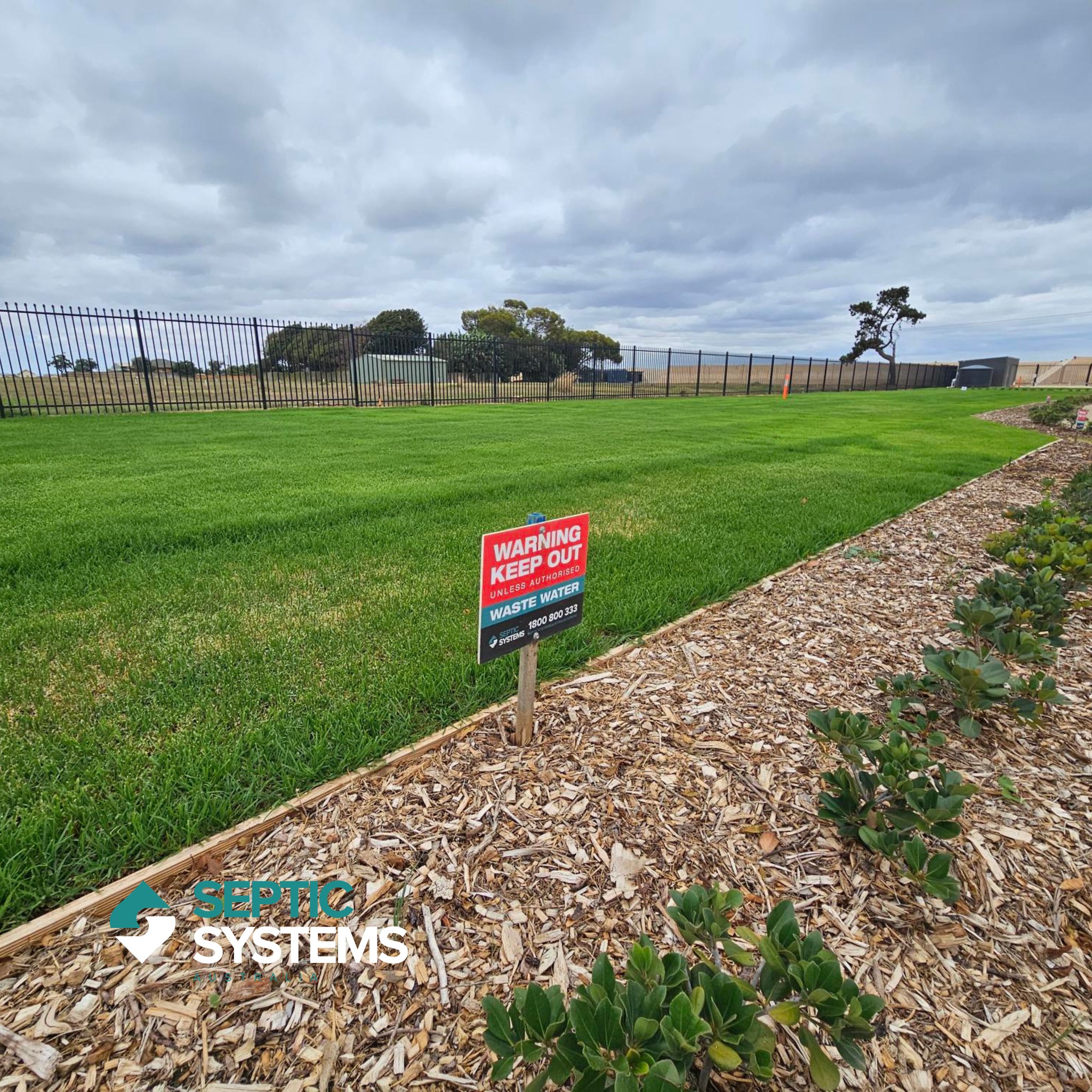
  • Unusually lush or green grass directly over the tank or trenches, compared to surrounding areas, may indicate effluent is surfacing rather than dispersing properly underground.
  • Sewage backing up into household drains is the most urgent symptom, requiring immediate professional attention.
  • Aerated Wastewater Treatment Systems are also fitted with audible and flashing alarms, indicating pump failures or high water levels

Early diagnosis can often resolve issues with repairs or pump-outs, avoiding the need for full system replacement.


How often does a septic system need servicing?

Aerated Wastewater Treatment Systems require quarterly servicing, which is mandated by Victorian councils. All tanks also need pump-outs every 3–5 years depending on household size and usage. Regular servicing extends system life and maintains compliance.

AWTS servicing is essential because these systems have moving parts including air blowers, pumps, and diffusers. During a standard quarterly service, accredited technicians:

  • Change aeration pump filters
  • Clean aeration disc diffusers
  • Check chlorine or UV disinfection systems
  • Inspect pumps and alarms
  • Test effluent quality and turbidity levels

Service reports are made available to your local council to maintain compliance with your Permit to Use.

Conventional septic tanks require less frequent attention but still need regular pump-outs (desludging). Over time, solid sludge accumulates at the bottom of the tank, reducing effective capacity. If not removed, this sludge can overflow into absorption trenches, causing blockages and system failure.

Property owners should maintain a record of all maintenance, including desludge history and service reports. This documentation demonstrates compliance to council, helps diagnose future issues, and provides proof of maintenance if you sell the property.

With proper maintenance, AWTS systems can operate effectively for decades—their lifecycle can be easily extended by desludging all tanks and replacing parts and fittings as needed.

Do I need council approval for a septic system?

Yes! All onsite wastewater systems in Victoria require a permit from your local council. SSA handles the full application process, including site and soil assessments, system design, compliance documentation, and liaison with the Environmental Health Officer at your local council.

The approval process involves two main permits:

  • Permit to Install: Authorises construction and installation according to an approved design
  • Permit to Use: Issued after the system passes inspection, confirming it complies with EPA regulations

Councils typically require supporting documentation including:

  • Land Capability Assessment (LCA): A professional evaluation of soil type, permeability, groundwater depth, slope, and other factors determining which system types are suitable
  • House plans, Titles and the completed Permit application form, with permit payment
  • System design and specifications: Detailed plans showing tank placement, irrigation areas, setback distances, and EPA compliance
  • EPA compliance documentation: Confirmation the proposed system meets Environment Protection Authority guidelines

Operating without correct permits can result in fines, rectification costs, and may create legal complications if you later sell the property.

How long does septic system installation take?

Most residential installations take 1– 3 days from excavation to completion, with the overall timeline, including permits, typically 4–8 weeks. SSA manages council applications, site preparation, installation, and final inspection.

The permitting process often represents the longest phase. All onsite wastewater systems in Victoria require a Permit to Install from your local council before any work can begin. Councils may also require a Land Capability Assessment evaluating soil type, groundwater levels, slope, and proximity to waterways. Depending on your council’s workload and site complexity, permit approval can take two to six weeks.

Once septic permits are secured, the physical installation proceeds through our comprehensive process covering:

  • Site preparation and excavation
  • Installation of Tanks and connection to household plumbing
  • Installation of pumps, aeration equipment, and electrical connections (for AWTS)
  • Construction of effluent disposal areas
  • System testing and commissioning
  • Paperwork and documentation to obtain the Permit to Use the system

We manage the entire process on your behalf, preparing and submitting council applications, coordinating assessments, liaising with council officers, and scheduling installation and final inspection. This turnkey approach minimises delays and ensures your system meets all EPA and council compliance requirements from day one.

What's the difference between a septic tank and an AWTS?

A septic tank provides primary treatment and requires large absorption trenches, while an AWTS provides secondary treatment and produces effluent of a higher quality, suitable for surface irrigation and other types of dispersal fields, ideal for smaller blocks, poor soil, or properties in environmentally sensitive areas.

A conventional septic tank collects wastewater from your home, where naturally occurring bacteria digest organic matter. Solids settle at the bottom while partially treated liquid flows out to absorption trenches. The quality of this effluent is relatively poor, which is why the effluent must be dispersed to the land via absorption trenches underground, to safely disperse wastewater into the soil.

An AWTS (Aerated Wastewater Treatment System) adds mechanical aeration, clarification, and disinfection processes. Aeration introduces oxygen, encouraging aerobic bacteria to break down organic matter far more effectively. The result is excellent quality effluent that meets EPA standards for subsurface irrigation on lawns and gardens.

Key advantages of AWTS include:

  • Suitable for smaller blocks and properties with limited space
  • Works on sites with poor soil drainage or high water tables
  • Effluent can be reused for garden irrigation, reducing mains water consumption
  • Lifecycle can be easily extended by desludging tanks and replacing parts and fittings

However, AWTS units require continuous power and quarterly servicing by an accredited technician, a council-mandated requirement in Victorian municipalities.

What does it cost to service my commercial septic system?

The cost of servicing commercial systems will depend on the type, size, location and other special requirements, please contact SSA to discuss specific requirements.

What does it cost to service the septic system for my home?

The cost of a residential general service costs between $110 – $125, depending on the location of your property.

SSA offers flexible payment options so have the choice of two types of contracts:

  1. Annual Contract
    Pay once, annually. Includes four services – one service every three months. Payment methods available: Cheque, Bank transfer or Credit Card
  2. Pay-per-Service Contract
    Pay on completion of each service. We will service your system every three months, ongoing until you tell us to stop! Payment methods available: Credit Card only for this option.

Get in touch to organise your payment options.

Can SSA undertake installations for commercial projects?

Yes. SSA specialises in the installation of commercial systems of all sizes. Please contact SSA to discuss your requirements now!

Which products should I avoid putting down my drain?

Some materials simply MUST NOT enter your system, as they will kill off the good bugs that digest the organic matter in the wastewater of your treatment system. These include:

  • Bleaching agents
  • Antibacterial products and unused medicines^
  • Paint, petroleum products or other solvents, strong alkaline and acid
  • Storm water from downpipes or rainwater tank overflows
  • Backwash water from pools, spa pools or water softeners
  • Solid materials such as paper, plastic, sanitary napkins, tampons, condoms, nappies or baby wipes
  • Food scraps, fats and oils
  • Insecticides, herbicides, pesticides
  • Trade waste from commercial or industrial premises

^ Some strong medications, such as blood pressure tablets, chemotherapy and antibiotics, can destroy the natural processes of a wastewater treatment system. These systems may require more regular pump outs and/or maintenance.

If any of the materials listed above enter your system, please contact SSA for advice on what action you may be required to take.

How do I care for my system?

All modern wastewater treatment systems are designed to treat both the grey and black water from your home or business.

To enhance the performance of your system, to maximise its service life and to save money on repairs, please find a guide below on how to best care for your system.

  • Ensure your system is properly maintained with regular servicing and pump outs
  • Use all cleaning products in moderation
  • Use cleaning products that are labelled as ‘biodegradable’ or ‘septic-safe’
  • Use low-phosphorus or phosphorus-free detergents. Phosphorus is a major pollutant of waterways and contributes to the growth of algal blooms.
  • Use natural or alternative cleaners such as bicarbonate of soda, pure soap, borax, vinegar, lemon juice, cloudy ammonia, where possible
  • Use biodegradable toilet paper
  • Minimise your water usage as much as possible
  • Avoid shock loads of wastewater entering your system (e.g. several loads of washing in quick succession or a large number of people at a party)
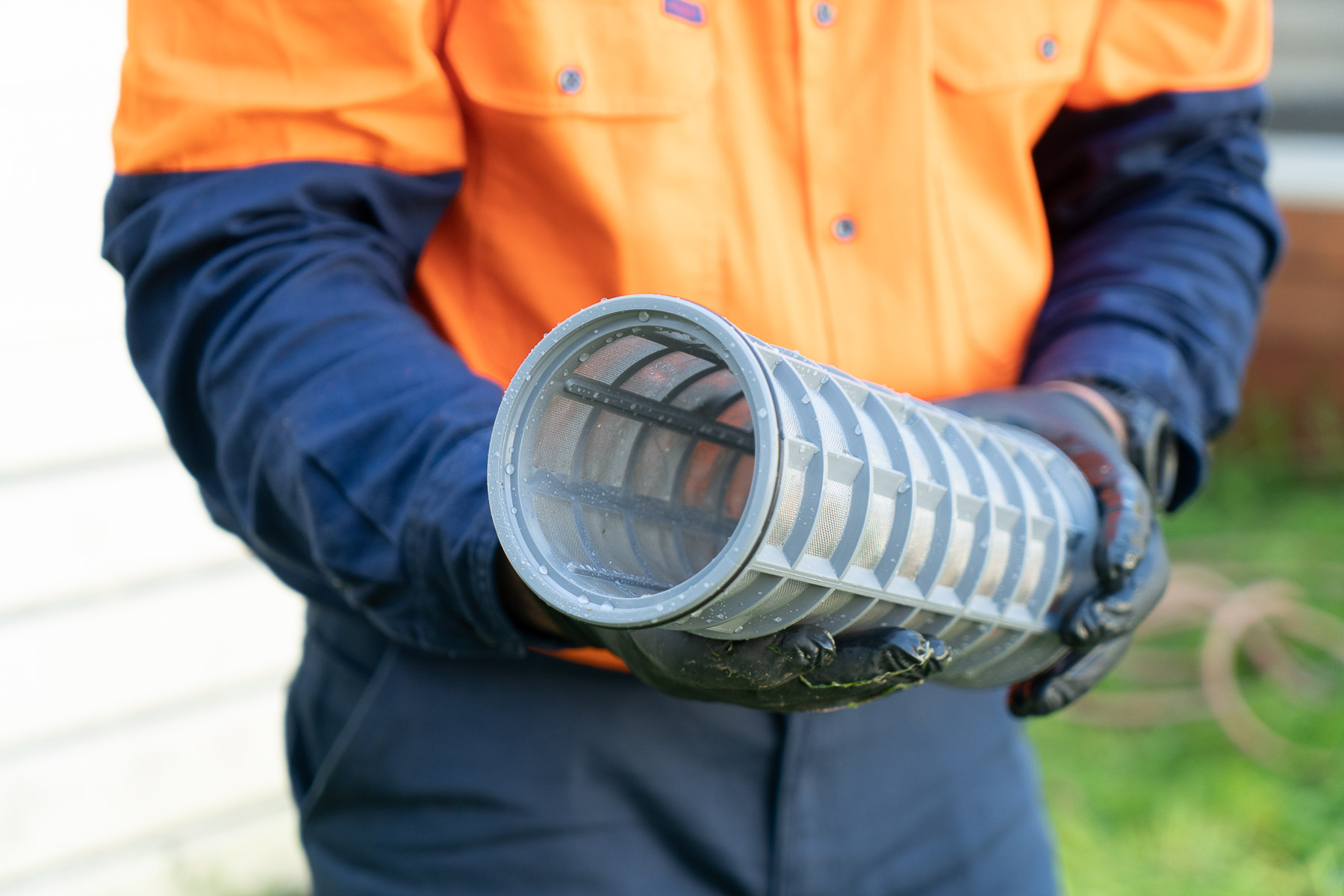
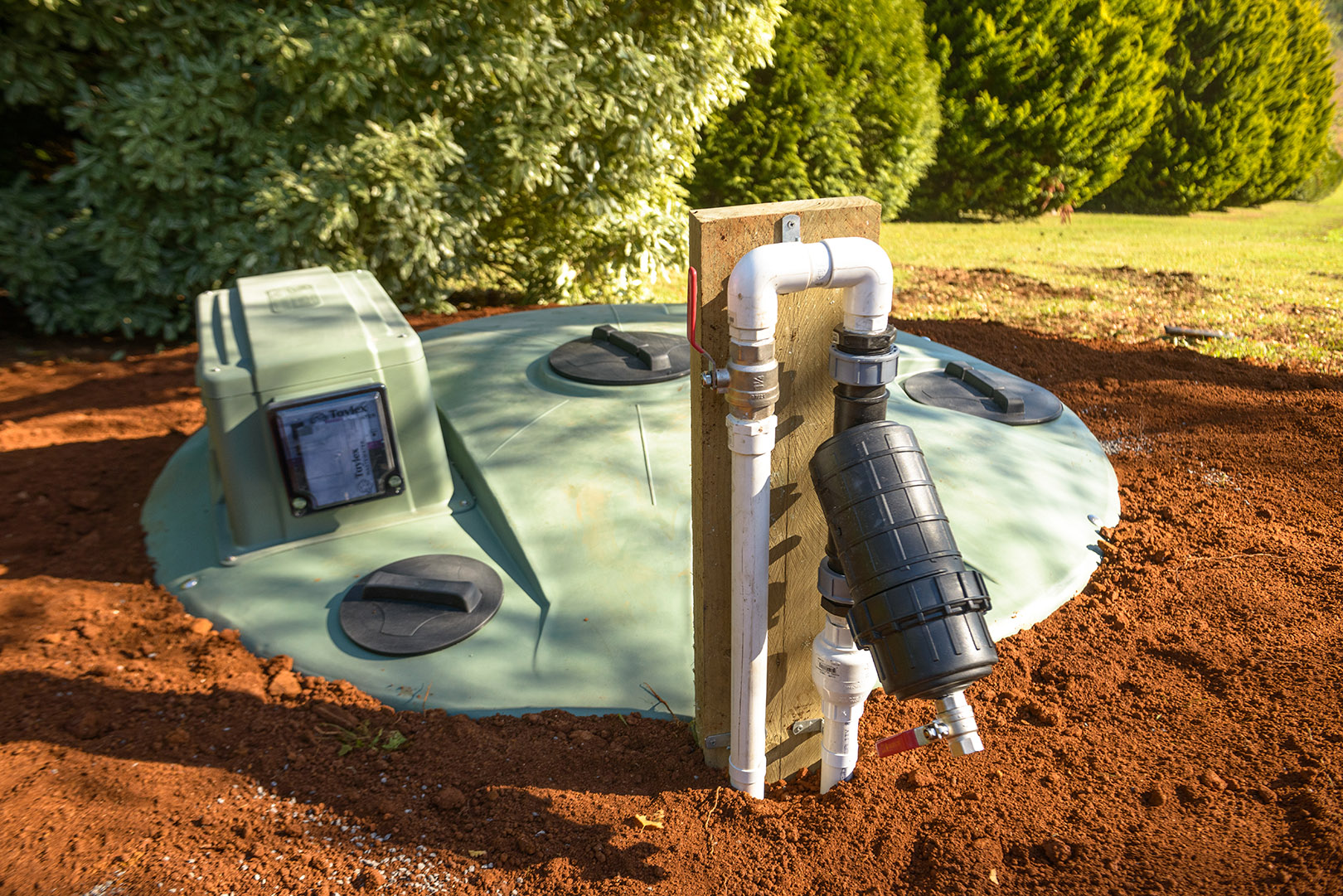
  • Clean your irrigation filter (if applicable) each fortnight
  • Ensure your system is serviced regularly (every 3 months for homes and most businesses)
  • Ensure you system is pumped out regularly (typically every 3 years for most homes and each business will have different pump out requirements).

If you are unsure, call SSA now on 1800 800 333.

What was done during the service?

Details on the general performance of the system; and Recommendations on what the home owner can do to improve the function of the system, including pump out/desludge requirements. What do I need to do in between services to care for my system? There are important things you MUST do to care for your system in between services. These include:

  • Clean your irrigation filter (as per manufacturer’s recommendations): This ensures the system is able to discharge the effluent to your irrigation system. It also prolongs the life of your submersible pump.
  • Be careful about what household cleaning products you use as these can really affect the performance of your system. For more information, refer to the following questions.

What does a service technician do during a routine service?

It is important that you choose an accredited service technician to perform the servicing of your wastewater treatment plant.

Servicing should take place every three months and should include (at a minimum):

  • Check sludge and scum levels in the primary septic tank (if lids are exposed)
  • Check aeration pump for correct operation
  • Clean and check aeration equipment
  • Clean and flush treatment filters
  • Check dissolved oxygen levels
  • De-sludge settling chamber/s
  • Check control panel, alarms and pumps
  • Onsite testing of water quality
  • Add chlorine tablets to chlorine dispenser (for surface irrigation only)
  • Remove and clean irrigation filter (if applicable)
  • Inspect irrigation area
  • Complete service report^

Each service report should be provided to you (the customer), as well as your local council, as per council requirements.

Service reports should provide information such as details on the general performance of the system; and recommendations on what you could do to improve the function of the system, including pump out/desludge requirements.

What is desludging and how often do I need to do it?

Over the years, your septic system will gradually build ‘sludge’, a layer of solids that settle at the bottom of the system.

Desludging (or pumping out) your wastewater treatment plant is essential for the performance of the system.

Your accredited service technician will monitor the sludge levels in your system will advise when a pump out is required.

Desludging frequency should be every three years (on average).

However, this depends on several factors:

  • How well you maintain your system;
  • The number of people living in your home (i.e. the number and intensity of loads).

If a pump out is required, it should be performed as soon as possible by an accredited liquid waste removal contractor.

A record of the pump out should be provided to your local council as well as your service provider.

Do I have to have my system serviced?

There are three key reasons why your wastewater treatment plant requires regular servicing:

  1. All wastewater treatment systems are expensive assets. Regular servicing helps protect your asset and reduce the severity of system faults and the cost of repairs.
  2. Regular servicing helps to protect the health of you, your people and the local waterways.
  3. State and local government regulations demand that all AWTS are serviced quarterly by an accredited service technician

Can SSA repair all types of systems?

SSA specialises in the repairs and maintenance of all types of residential and commercial wastewater treatment systems.

There is a foul odour coming from my system. What does this mean?

If you septic system is working properly it shouldn’t have foul odours.

For correct functioning, wastewater treatment systems need to operate under alkaline conditions. Some factors which can cause acid conditions and odour problems include:

  • Excessive use of cleaning products
  • Use of the wrong type of cleaning chemicals
  • Shock volumes of incoming water (e.g. from several loads of washing in quick succession or a large number of people at a party)
  • Lack of use of the system while the house has been vacant (e.g. unused holiday homes)

The normal (good) bacteria may die off under acidic conditions resulting in offensive odours.

Please contact SSA if you are experiencing bad odours.

My septic system is alarming, what do I do?

Most wastewater treatment systems have a warning alarm function, typically consisting of audible beeps and/or flashing red lights. These alarms are not to be ignored – they alert you to a system fault that needs prompt attention to prevent sewage backups, environmental damage, or costly repairs.

Common Causes of Septic Alarms:

  • High water level in the tank – Often caused by pump failure, blocked outlets, or excessive water use
  • Pump or blower malfunction – The aerator or effluent pump may have failed or tripped
  • Power interruption – Check your switchboard for tripped circuits
  • Float switch issues – Floats can become stuck or tangled, triggering false alarms
  • Blockages – Blocked pipes or filters restricting normal flow

Immediate Steps to Take

  1. Reduce water use as much as possible – Avoid showers, laundry, and dishwashers until the issue is resolved
  2. Check your power – Ensure the system’s circuit breaker hasn’t tripped
  3. Do not reset repeatedly – If the alarm returns after resetting, there’s an underlying fault
  4. Contact SSA immediately – Call us to diagnose and repair the issue before it escalates

Why Prompt Action Matters…Ignoring an alarm can lead to:

  • Raw sewage surfacing in your yard
  • Backups into your home
  • Damage to the treatment system requiring expensive repairs
  • EPA compliance breaches and potential fines

SSA’s Servicing and Maintenance team responds to emergency callouts and repairs across Victoria. Our technicians diagnose faults on-site, carry common replacement parts, and resolve most issues in a single visit. Contact SSA on 1800 800 333 if your alarm activates.

Help! I have an emergency! Can SSA help?

Yes! SSA can be contacted, and can attend to emergency call outs, 24/7, seven days a week.

If you have an emergency, call SSA on 1800 800 333.

What do I need to consider before altering my wastewater treatment system?

Altering your existing septic system, includes:

  • Moving or changing the envelope of your existing septic system component (eg tanks or dispersal field)
  • Changing the type of effluent dispersal onsite
  • Installing additional absorption trenches or irrigation lines
  • Adding extra plumbing fixtures to your home
  • Changes to your home that may increase or change the potential daily wastewater flow rate e.g. adding an additional bedroom.
  • Minor alterations to your septic system may include changes to internal plumbing e.g. relocation of a fixture

If you are considering altering your septic system, you MUST obtain a Permit To Alter (PTA) through the health department of your local council.

We can help with this. Call us on 1800 800 333 for assistance.


What are effluent disposal fields and how do I choose the right one for my property?

An effluent disposal field is a system to safely dispose of the treated effluent from your wastewater treatment system. The effluent disposal field must be installed on the same property where the wastewater is generated.
There are several different types of dispersal fields, but there are two most commonly installed:
Subsurface Drip Irrigation: Where the treated effluent from the wastewater systems is drained to underground (subsurface) drip irrigation system, the wastewater can be reused to water grass and garden beds. This type of effluent field can ONLY be installed for Secondary Treatment systems. Drip irrigation is the most versatile irrigation, suitable for practically all sites.
Absorption Trenches: Underground trenches where the water soaks into the ground and typically used for Primary Treatment systems. To install trenches the site needs to be cleared and relatively level in the right soil profile not suitable for all sites.
The type of effluent system for your property is determined by many factors, including local council requirements, the land and soil type and the climate, among other factors.
We can help to guide you through this process and it’s important to note, that sometimes you won’t have a choice in the type of effluent for your property.

What types of plants and trees should I plant near my system?

It’s important to plant the right types of plants around your wastewater treatment system as larger trees and shrubs with high moisture may cause damage to the treatment plant through their roots.

Smaller shrubs and ground cover such as grass are most suitable for the area around your wastewater treatment system, but ideally, should be planted with a setback of two metres from the treatment plant.

Grass is the most suitable type of vegetation for subsurface irrigation.

If in doubt, please consult with your local nursery.

Can I install my own system?

The installation of all wastewater treatment systems must be performed by a licensed plumber or drainer.

Do you install commercial systems in all regional areas of Victoria?

Yes. SSA can undertake commercial installations across Victoria.

What approvals do I need to have a new system installed on my property?

Pre Installation

Step 1: Contact SSA to arrange a site inspection and quote

Step 2: Obtain a “Permit to Install” from your local council Health Department (SSA can organise this on your behalf)

During Installation

Step 3: Council inspects the installation of the wastewater treatment system (as part of Permit Condition)

Post Installation

Step 4: Provide all necessary Certificates (such as Plumbing Certificate and Commissioning Certificate) to your local council

Step 5: Obtain a “Permit to Use” from your local council Health Department before first use of system

Step 6: Ensure you comply with the conditions of your “Permit to Use” for the lifecycle of your system


Important: The Health Department operates independently from the Building Department. If you are building a new house or renovating, you will need a “Permit to Install” the wastewater treatment system to be able to secure your Building Permit and you will need a “Permit to Use” your wastewater treatment system to obtain your Certificate of Occupancy. So it is important to plan ahead and incorporate the installation of your wastewater treatment system into your building schedule.

SSA can take care of all the necessary documentation for you, including council permits.

I need to install a wastewater treatment system. What are my options?

All properties not connected to the sewer network require either a ‘primary’ or ‘secondary’ wastewater treatment system, which treats and contains all wastewater from the household onsite.

A ‘primary’ wastewater treatment system is typically a standard septic tank and absorption trenches. These are not typically allowed to be installed in the majority of shires and blocks of land smaller than 1 hectare, due to the poor effluent quality that they discharge onto the land.

A ‘secondary’ wastewater treatment system typically contains primary treatment, with the addition of a further treatment and disinfection process.

While there are several secondary wastewater treatment systems on the market, the most common ‘secondary’ system in Victoria is the Aerated Wastewater Treatment Systems (AWTS). (For more information on AWTS, refer to our Resources section).

Wastewater treatment systems and irrigation requirements are different for all councils due to the diverse land and soil types, as well as proximity to water tables. It is important to realise that there are pros and cons of all types of systems.

SSA can guide you through these options and recommend the most suitable solution for you.

What our customers say

Get a Quote

Contact us for a no obligation quote
Our Clients

Clients that trust us